
The Role of Careful Planning in Land Preparation
Excavation projects often involve significant land preparation. This includes clearing obstacles and ensuring the site is ready for construction or development. The presence of trees can pose challenges, making strategic planning essential. By carefully managing tree removal, project managers can avoid delays and reduce costs. Proper planning ensures that only necessary trees are removed, preserving the environment while facilitating smooth operations.
Enhancing Efficiency Through Selective Tree Removal
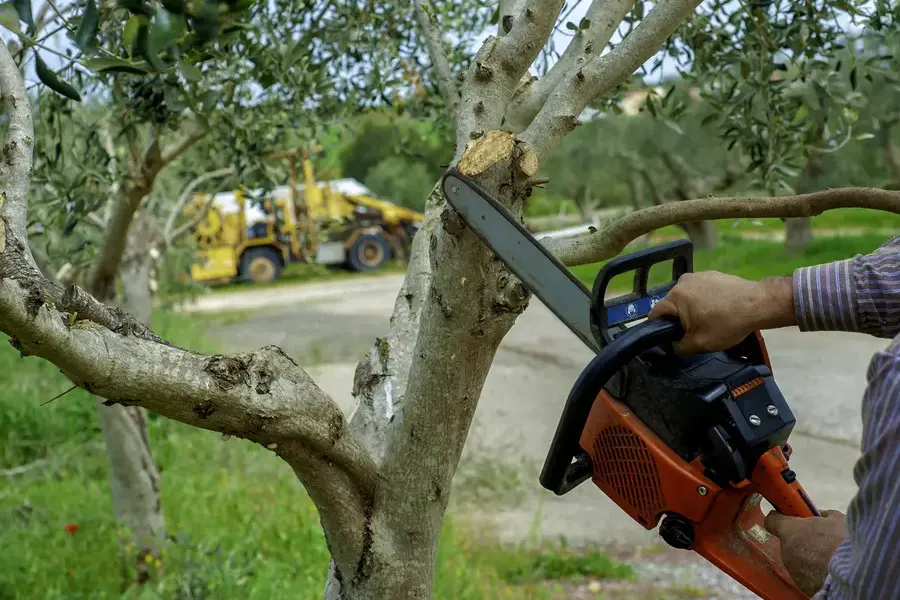
Selective tree trimming plays a crucial role in optimizing excavation sites. By targeting only specific trees for removal, projects can maintain ecological balance while increasing work efficiency. Removing unnecessary obstructions allows machinery to operate freely, reducing the time required to complete tasks. It also minimizes the risk of damage to surrounding structures, which could lead to costly repairs.
Environmental Considerations and Sustainable Practices
Strategic approaches to tree trimming during excavation take environmental impact into account. Preserving as many trees as possible contributes to sustainability efforts. Trees help reduce erosion and maintain soil integrity, which is vital for the long-term stability of any construction project. Additionally, maintaining green spaces enhances the visual appeal of the completed project, offering benefits to both nature and society.
Common Challenges Faced Without Proper Planning
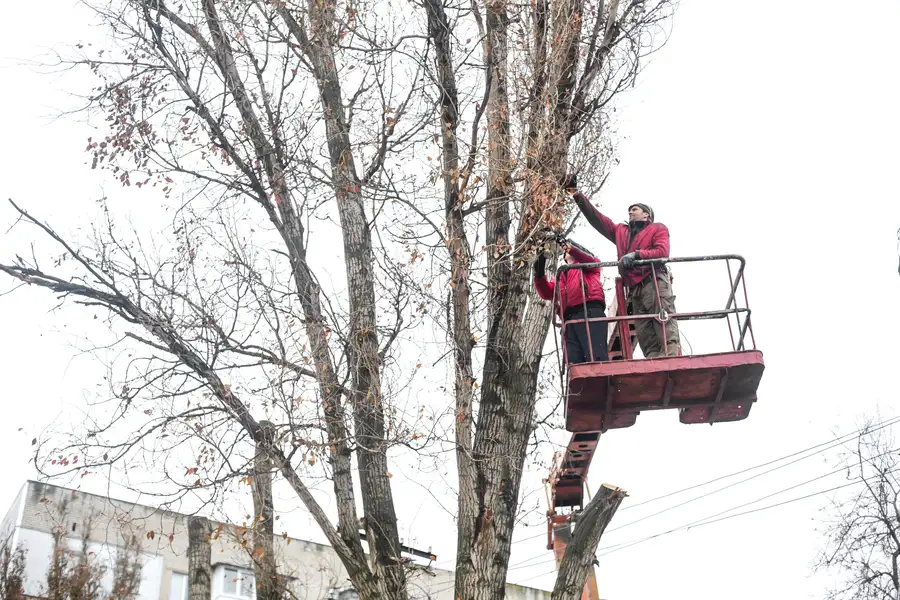
Neglecting proper planning in tree management can lead to several issues in excavation projects. Unplanned tree removal may result in soil destabilization, leading to increased erosion and potential landslides. Furthermore, unexpected delays and budget overruns can occur when additional resources are needed to address unforeseen complications from haphazard tree clearance.
Steps to Implement Effective Tree Management Strategies
Implementing successful tree management strategies involves several key steps:
- Conduct a comprehensive site assessment to identify trees that must be preserved or removed.
- Consult with arborists to determine the best approach for selective trimming.
- Create a clear plan for disposing of removed trees sustainably.
- Ensure compliance with local regulations regarding tree protection and removal.
Best Practices for Integrating Tree Management Into Excavation Plans
Following best practices can significantly enhance the success of excavation projects involving tree management:
- Engage professional services early in the planning stage to assess vegetation impacts.
- Incorporate technology such as drones for precise mapping and assessment.
- Adopt an adaptive management strategy that responds to changes as the project progresses.
Understanding Regulatory Requirements and Compliance
Compliance with environmental regulations is critical when dealing with tree removal in excavation projects. These requirements often mandate certain preservation practices and dictate how removed trees should be managed. Ensuring adherence to these laws helps avoid legal repercussions and fosters good community relations by demonstrating commitment to sustainable practices.
Cost Implications of Strategic Tree Management
The financial aspect of strategic tree management involves balancing cost with value. While the initial outlay for hiring experts and implementing detailed plans might seem high, the reduction in project delays and avoidance of penalties often leads to savings in the long run. Additionally, well-managed sites tend to require less maintenance once projects are completed, further amplifying return on investment.
Conclusion: Maximizing Project Success With Proper Planning
By adopting strategic approaches to tree management, excavation projects stand to gain significant advantages ranging from operational efficiency to environmental conservation. Our team at Elite Land Management and Excavating LLC specializes in providing expert consultancy for such projects. Located in Naples, FL, we offer tailored solutions designed to meet your unique needs. Reach us at (239) 453-0739 for more information on how we can assist with your next venture.