
Key Considerations in Managing Large Green Areas
Managing large green areas can be a complex task, especially when it involves removing trees. This process requires careful planning and execution to ensure safety and efficiency. Whether you’re dealing with forest management or urban development, the steps involved must be conducted professionally. By following proven strategies, you can manage these projects effectively while minimizing environmental impact. Let’s explore the essential aspects of this process.

Initial Assessment: Understanding the Scope
The first step in managing a large-scale project is conducting an initial assessment. This involves evaluating the site to understand the extent and complexity of the work required. Key elements include identifying tree species, health status, and potential hazards. Knowing these details allows for informed decision-making throughout the project.
Strategic Planning for Effective Execution
Once the initial assessment is complete, strategic planning becomes crucial. It encompasses creating a clear plan that outlines each phase of the project. This includes selecting appropriate equipment and methods for tree removal. A well-thought-out strategy ensures that all tasks are completed efficiently and safely.
Importance of Safety Measures
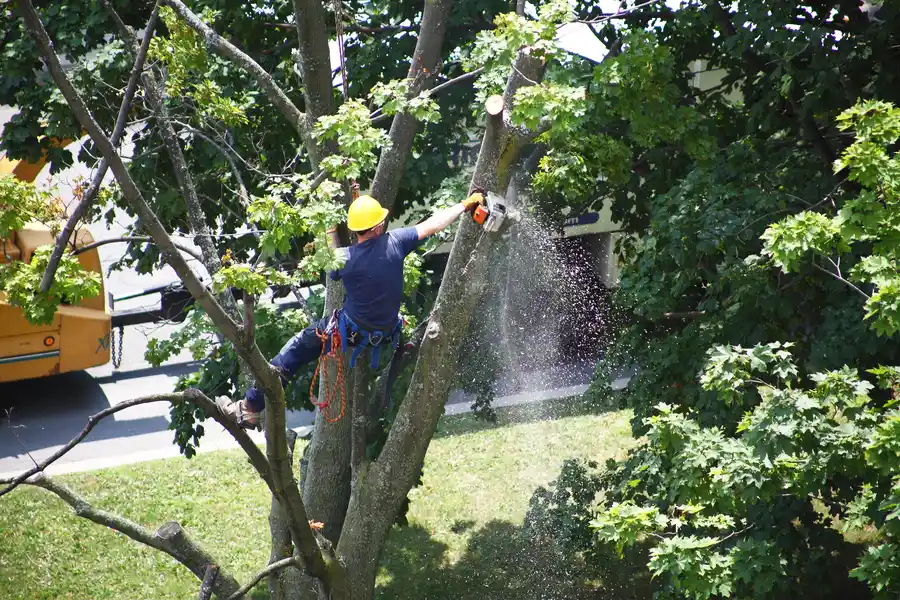
When engaging in large projects, implementing rigorous safety measures is non-negotiable. The risks associated with such endeavors require comprehensive protocols to protect workers and the surrounding environment. Equipment checks, protective gear, and clear communication channels are essential components that safeguard against accidents.
Environmental Impact and Regulations
Large-scale projects often have significant environmental impacts. Therefore, it’s vital to adhere to regulations and best practices to minimize ecological disruption. Familiarity with local laws regarding protected species and habitats helps in complying with legal requirements. In addition, using eco-friendly techniques wherever possible contributes positively to conservation efforts.
Effective Communication With Stakeholders
Communication plays a pivotal role in managing large projects successfully. Engaging stakeholders ensures transparency and fosters cooperation among all parties involved. Regular updates on progress, challenges, and milestones keep everyone informed and aligned with project goals.
- Conducting thorough assessments before initiating any operations
- Planning strategically for resource allocation and task sequencing
- Implementing stringent safety protocols to prevent injuries
- Considering environmental regulations to mitigate ecological effects
- Maintaining open lines of communication with stakeholders
Cost Implications and Budget Management
Budget management is another critical aspect of handling extensive projects. Understanding cost implications upfront prevents overspending and ensures financial resources are utilized efficiently. It’s important to account for unforeseen expenses by setting aside contingency funds.
Final Recommendations for Successful Project Outcomes
Completing a large-scale project requires meticulous planning, execution, and oversight. By focusing on safety, environmental considerations, and effective communication, you can achieve successful outcomes. Each step should be carefully monitored to ensure adherence to standards and expectations. If you need assistance or expert guidance, our team at Elite Land Management and Excavating LLC is here to help. Located in Naples, FL, we offer tailored services to meet your project’s needs. Contact us at (239) 453-0739 for more information on how we can support your next venture.